
"coffee and slavery"
400 article(s) found
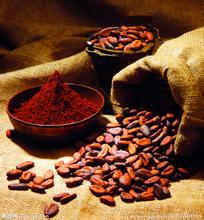
Rich and Sweet Peruvian Coffee Flavor description of the characteristics of producing areas introduction to the methods of taste treatment of fine coffee
Independence was declared on July 28, 1821, and the Republic of Peru was established. On October 28, 1835, Bolivia and Peru formally merged, known as the Confederacy of Peru and Bolivia. On February 20, 1839, the Confederacy completely disintegrated. Slavery was abolished in 1854. From 1879 to 1883, Peru joined Bolivia and Chile in the South American Pacific War for saltpeter production. After Peru's defeat, Chile captured the world.

Rich aroma Peruvian coffee grindness taste boutique coffee flavor description method introduction
Independence was declared on July 28, 1821, and the Republic of Peru was established. On October 28, 1835, Bolivia and Peru formally merged, known as the Confederacy of Peru and Bolivia. On February 20, 1839, the Confederacy completely disintegrated. Slavery was abolished in 1854. From 1879 to 1883, Peru joined Bolivia and Chile in the South American Pacific War for saltpeter production. After Peru's defeat, Chile captured the world.

Introduction to the characteristics of Dominican Coffee Flavor and Taste Manor
In December 1492, Christopher Columbus arrived on Hispaniola on his first voyage. On his second voyage there in 1493, Santo Domingo became the capital of the island. [3] thousands of Tainos were demoted to slavery and engaged in gold mining. Due to a series of oppression, hunger and disease, by 1535, the Tino had only 60,000 left. 1501, Spain

Introduction to the characteristic boutique coffee in Dominica coffee flavor manor with smooth taste
In the early 17th century, when French, Dutch, and British pirates were operating in the western part of Hispaniola, France began to allow farmers and merchants to gradually colonize the western part of the Spanish island, blocked by the island's mountains. Without attracting the attention of the Spaniards in the east, L'Or é al arrived in Santo Domingo in 1801. He abolished slavery on behalf of the French government. In 1802, Napoleon sent

Introduction to the characteristics of Costa Rican Coffee Flavor Manor
1502 C. Columbus discovered the coast of Costa Rica on his fourth voyage. Since then, the Spanish colonists have invaded many times. The city of Catago was founded in 1563 and Costa Rica was colonized by Spain and placed under the jurisdiction of the Governor's Office of Guatemala. During the colonial period, under the cruel enslavement and oppression of the Spanish colonists, the Indians were almost wiped out and there was little labor available for enslavement.

Dominica Santo Domingo Coffee Flavor and Taste introduction to boutique coffee in manor area
Thousands of Tylenos were demoted to slavery and engaged in gold mining. Due to a series of oppression, hunger and disease, by 1535, the Tino had only 60,000 left. In 1501, King Ferdinand I and Isabella of Spain were the first to allow Caribbean colonists to introduce slaves from Africa. They began to arrive on the island in 1503. [3] in the early days of the Spanish island, the Spaniards were in the new.

Brazilian coffee flavor with low sour taste introduction to boutique coffee beans in manor production area
After the establishment of the Brazilian Empire during the Imperial period (1822-1889), the system of the Braganca dynasty and the Portuguese aristocratic forces remained intact, the great manor system and slavery still existed, and Brazil was dependent on Britain economically and politically. Pedro I exercised autocratic rule, forcibly dissolved parliament in 1823, and then used force to suppress Republican uprisings in northeastern provinces such as Pernambuco. 1889

Introduction to the flavor and taste characteristics of Dominica coffee manor with rich coffee bean aroma
In December 1492, Christopher Columbus arrived on Hispaniola on his first voyage. On his second voyage there in 1493, Santo Domingo became the capital of the island. [3] thousands of Tainos were demoted to slavery and engaged in gold mining. Due to a series of oppression, hunger and disease, by 1535, the Tino had only 60,000 left. 1501, Spain

Introduction to Valenford Manor, the flavor of Jamaica Blue Mountain Coffee Manor
It used to be the residence of the Indian Arawak people. Columbus discovered the island in 1494. It was colonized by Spain in 1509. The British occupied the island in 1655. It became one of the British slave markets from the end of the 17th century to the beginning of the 19th century. England proclaimed the abolition of slavery in 1843. It became a British colony in 1866. Joined the Union of the West Indies in 1958. Internal autonomy was obtained in 1959. 1961

Costa Rican Yersalo coffee with unique aroma and strong taste
1502 C. Columbus discovered the Costa Rican coast on his fourth voyage. Since then, Spanish settlers have invaded many times. Cartago City was built in 1563, Costa Rica became a Spanish colony and was placed under the jurisdiction of the Governor General of Guatemala. During colonial rule, under the cruel slavery and oppression of Spanish colonists, the Indians were almost wiped out, and there was very little labor available for slavery.

Introduction to the characteristics of the manor producing area of Brazilian coffee with mellow taste
After the establishment of the Brazilian Empire during the Imperial period (1822-1889), the system of the Braganca dynasty and the Portuguese aristocratic forces remained intact, the great manor system and slavery still existed, and Brazil was dependent on Britain economically and politically. Pedro I exercised autocratic rule, forcibly dissolved parliament in 1823, and then used force to suppress Republican uprisings in northeastern provinces such as Pernambuco. 1889

Introduction to the characteristics of Dominican coffee varieties with a winding aftertaste, the degree of grinding, the taste of the manor.
In 1869, the then multinational President Bez sought the consent of President Ulysses Simpson Grant of the United States, hoping to integrate Dominica into the United States Union and allow the United States to repay the $1.5 million foreign debt of many countries at that time. President Grant believes that this will give blacks who have been freed from slavery in the south a free place to live and no longer be threatened by southern whites, but the most

Introduction of boutique coffee beans in coffee flavor and taste areas of Chateau Saint Roman, Costa Rica
1502 C. Columbus discovered the coast of Costa Rica on his fourth voyage. Since then, the Spanish colonists have invaded many times. The city of Catago was founded in 1563 and Costa Rica was colonized by Spain and placed under the jurisdiction of the Governor's Office of Guatemala. During the colonial period, under the cruel enslavement and oppression of the Spanish colonists, the Indians were almost wiped out and there was little labor available for enslavement.

Introduction to Dominica Santo Domingo Coffee Manor with excellent acidity and pleasant fragrance
In December 1492, Christopher Columbus arrived on Hispaniola on his first voyage. On his second voyage there in 1493, Santo Domingo became the capital of the island. [3] thousands of Tainos were demoted to slavery and engaged in gold mining. Due to a series of oppression, hunger and disease, by 1535, the Tino had only 60,000 left. 1501, Spain

Rich flavor of Colombian coffee taste introduction to the characteristics of fine coffee in the manor area
In 1501, the Spaniard R.de Bastidas first reached the northern coast of Colombia and founded the city of Santa Marta in 1525. In 1533, P.de Eredia established Cartagena. In 1535, G. Simone de Xada led the Spanish colonial army into the interior of Colombia, conquered the Chibucha, established the city of Bogota, and Colombia became a Spanish colony. At the beginning

History of the Origin and Development of Brazilian Coffee the Future trend of Flavor and Taste in Brazilian Coffee Bean producing areas
The origin of Brazilian coffee several historians agree that the arrival of coffee from the Old World to Martinique and the Antilles originated in 1714 when Mathieu de Clieu, the captain of the French army, got it from the first branch seeds brought by small American plantations. The story tells us that the captain is keeping a coffee branch stolen from Louis XIV Garden.

An introduction to the characteristics of coffee flavor in Lazmus Manor, Colombia, with a smooth taste.
In his letter from Jamaica in 1815, Bolivar envisioned that when South America was liberated from Spanish colonial rule, New Granada and Venezuela should form a country, named Colombia. In August 1819, Bolivar's Patriotic Army defeated the Spanish colonial army at the Battle of Boyaca and liberated Bogota. So, New Granada and Venezuela

Introduction to boutique coffee from Dominica with winding aftertaste and smooth taste.
Thousands of Tylenos were demoted to slavery and engaged in gold mining. Due to a series of oppression, hunger and disease, by 1535, the Tino had only 60,000 left. In 1501, King Ferdinand I and Isabella of Spain were the first to allow Caribbean colonists to introduce slaves from Africa. They began to arrive on the island in 1503. [3] in the early days of the Spanish island, the Spaniards were in the new.
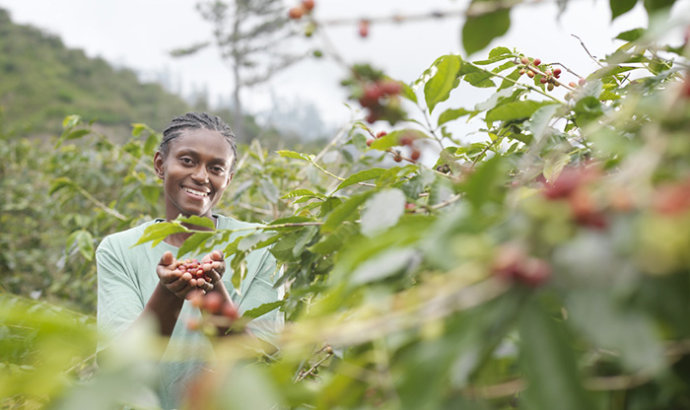
The abnormal prosperity of Brazil's "coffee kingdom"
From the early 16th century to the 1820s, Portugal colonized Brazil for more than 300 years. Portugal colonial rule had a profound impact on Brazil's economy, politics, society and culture. Single product system and large estate system became fetters restricting the development of modern Brazil's economy. Due to the incomplete nature of the independence movement, Brazil remained a colony for 100 years after independence.
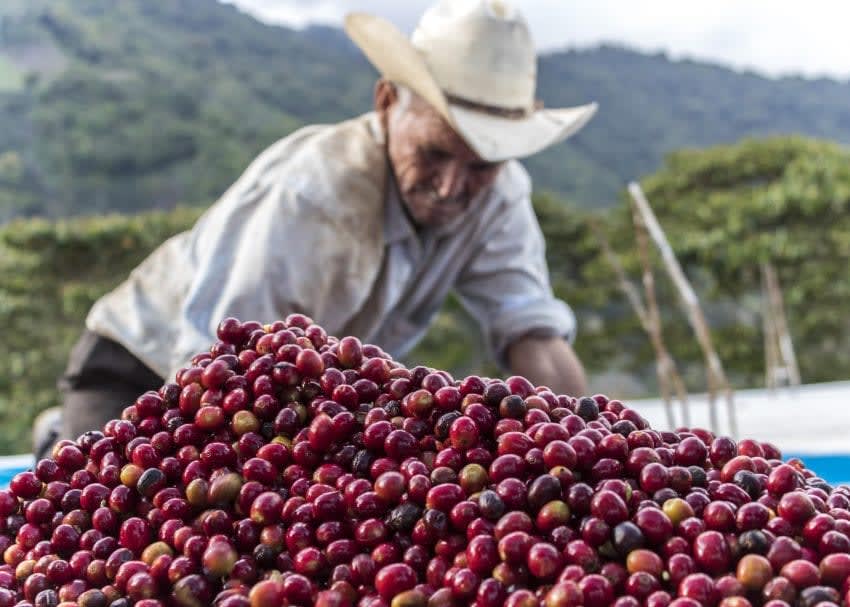
What you don't know about coffee: the black history of slaves behind the coffee industry
Professional coffee knowledge exchange more coffee bean information please follow the coffee workshop (Wechat official account cafe_style) when you get a bag of roasted Brazilian coffee, or order a cup of Colombian handcups, you may be able to get complete information about the producing areas, but have you ever thought about the origin of these coffees in the first place? Who were the workers who first developed these farms and built them into gardens? Let's